RSS

Category Archives: Observations

Speechless

100_2794Too old for this new trick

I’m not normally one to back down from an intellectual challenge, but I may have met my match in the Icelandic language. In attempting to skim a magazine or read a menu, nothing about it looks familiar…in Icelandic text I can’t find any words adopted from other languages. According to David, our tour guide today, if the Icelanders need to use a foreign word (think Internet, for example) they will import the meaning, but will create their own new Icelandic word for it. Talk about dedication to not diluting your language!

Here’s what else I gleaned from David’s explanation of the language today (for reference, David is an Englishman who’s been living in Iceland for twelve years–it took him four solid years to learn the language): Icelandic is descended from old Norse languages, as the Vikings were the ones to settle the country. There are 32 letters in the alphabet (including multiple versions of vowels and at least three different characters for the “th” sound) and each one has one and only one very distinct pronunciation. If you saw a “c” in a word (which you wouldn’t, because they don’t have them–they don’t have a “w” either, but they did consent nevertheless to use the internationally accepted WC to let folks know where the toilets are) there would be no confusion about whether it was a hard c or a soft c like in English. When tourists attempt to pronounce Icelandic words (like street names) using the pronunciation rules from their own native language, the Icelanders have no idea what they are saying. Apparently they found great amusement in the world’s news anchors trying in vain to pronounce Eyjafjallajökull, the name of the volcano that erupted in 2010 and practically brought European air travel to a halt for weeks; the American military gave up hope of ever saying it right and dubbed it E15 because it was spelled with an E followed by fifteen other random letters.

Another reason I would hesitate to learn Icelandic is the grammar. Apparently, each noun, pronoun, and adjective has a gender, and is declined in four cases based on that gender, and whether it is singular or plural. (Check out all the ways to spell chicken [underlined] in the above photograph of a Subway menu board.) Verbs are conjugated for tense, mood, person, number, and voice. I’m not sure I know enough about my own English grammar to even know what all those terms mean. The sentence construction is then further affected by whether the person to whom you are speaking is a male or female, young or old. In the end, each word ends up having between 12 and 35 different spellings. That’s a headache I just don’t need at this point in my life.


 
1 Comment

Posted by on March 16, 2013 in How It Is, Observations, True Life


Tags:

Details

100_3270 100_3298


No one can argue that Mother Nature creates some spectacular sunset displays, especially for those lucky enough to find themselves on a beach in Jamaica. But sometimes the scene painted across the canvas of the sky isn’t the most beautiful artwork in the gallery. If you can tear your eyes away from the classic, clichéd picture-postcard features of gilded clouds and fishing boats silhouetted against a fiery horizon, you might notice the fading rays also play with often over-looked elements in the scene, highlighting unique textures in ordinary objects and drawing forth unexpected colors from normally unremarkable surfaces. In this case, I was particularly taken with the colors and patterns surfacing, frolicking, then dissolving across the undulating surface of the ocean.

Today’s post is my entry in The Weekly Photo Challenge: Lost in the Details, in which we were encouraged to examine the typical scene we’d normally frame in our camera’s viewfinder then look for new and unexpected angles and details to capture.


Tags:

Witness

102_1647

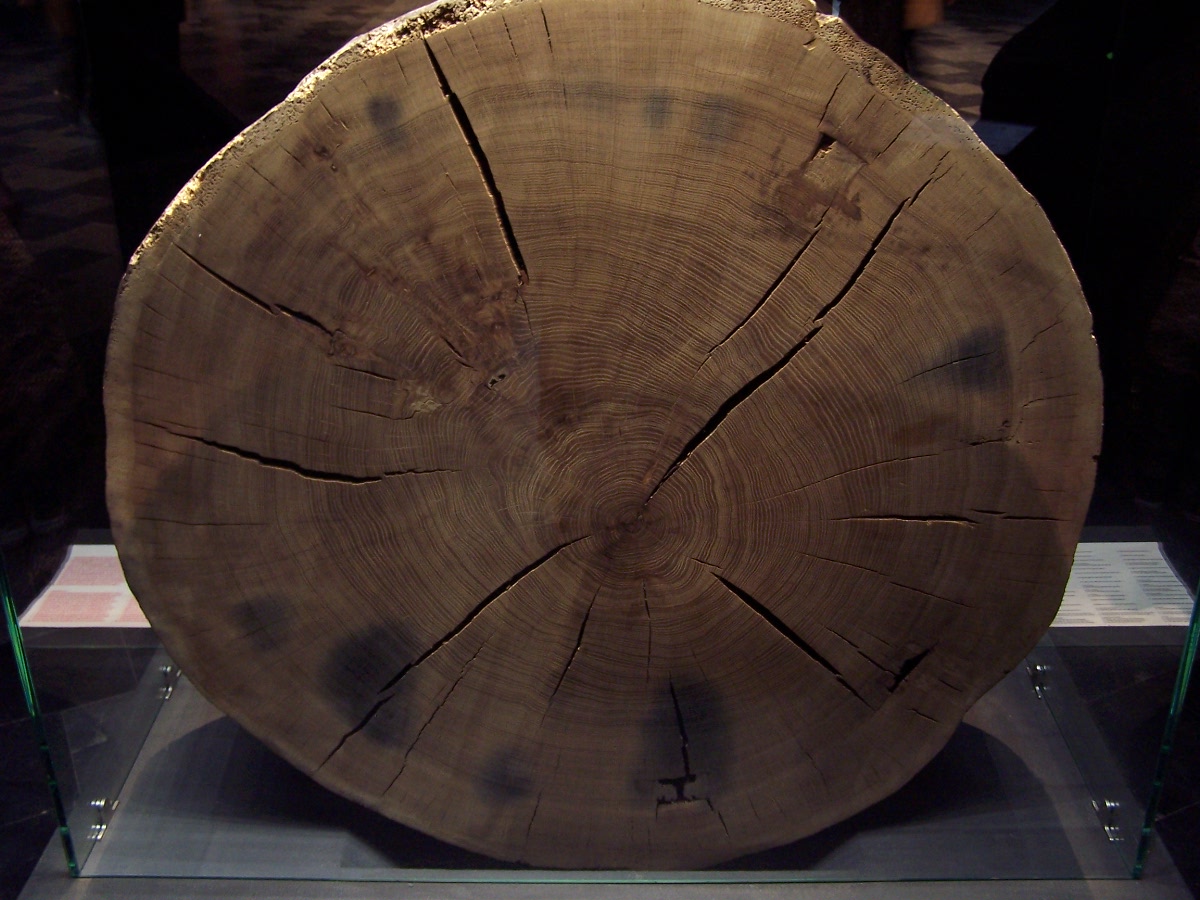
I, a summer oak, was planted on the grounds of Elverdinge Castle (which was actually a chateau built in the Louis XVI style) in Ypres (Ieper), Belgium, in 1760.  I lived the next 154 years in relative peace, watching various renovations of the chateau, shading the castle park beneath the ever-widening shadow of my leafy boughs, sheltering countless naked hatchlings until they were fledged and strong enough to soar from their twiggy nests, weathering innumerable storms thrown at me by Mother Nature. Then, a storm of a different kind swept into Ypres around 1914, bringing with it the thunder of exploding bombs and torrents of stinging metal rain. The storm raged on intermittently for nearly five years, the worst coming to Elverdinge in winter 1917-18.  The chateau, which was being used by the French and English armies came under attack from the Germans and was burned down. I suffered numerous wounds myself, my bark pierced by fragments of bullets and grenades on all sides. Unlike hundreds of thousands of young soldiers who absorbed the same during that winter’s fighting, I was strong enough to heal, new wood covering my battle wounds. I lived another 77 years, through the post-war restoration of the chateau in 1925, and its eventual occupation by the German army during World War II. When scientists examined cross sections of my trunk after my demise  in 1994, they were suprised by my hidden account of the Great War. The horrors I witnessed were borne silently deep within my oaken heart; I imagine the survivors of the horrible fighting in Ypres carried similar scars within their own hearts.


Leave a comment

Posted by on February 17, 2013 in How It Was, Observations, True Life


Smile!

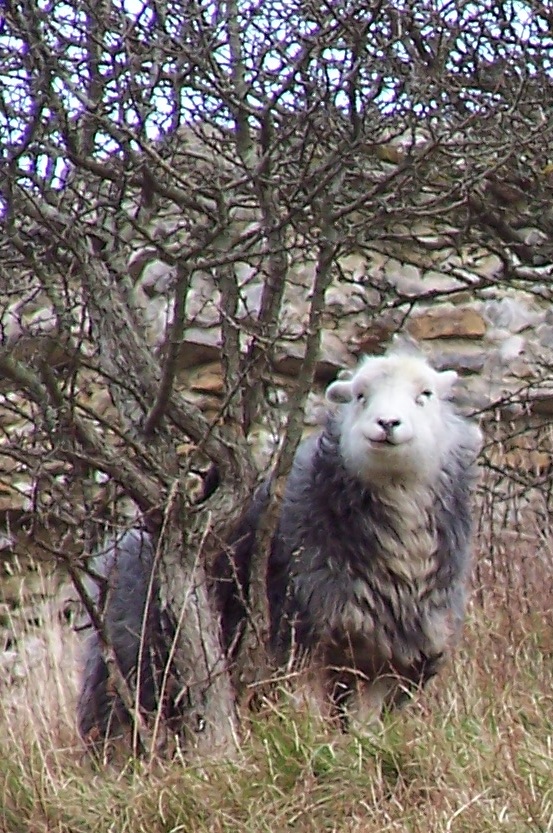
ImageOkay, so it’s Day 4 of my plan, and already I’m cheating by using a photo that I did not take today.  But I was looking through photos from the past weekend, editing them to be uploaded to our online album, and I just couldn’t resist pulling this one.

Hetty, as I’ll call her, is a Herdwick sheep living on the steep hillside below the lofty ruins of Corfe Castle in Dorset. She’s just been caught taking a break from her duties, as her face is unbearably itchy and she’s sneaking up behind this tree for a good scratch. Hetty and her fellow Herdwicks, along with some smaller brown Soay sheep, have been stationed at the castle by the National Trust to keep the hillside vegetation from running rampant.  This is a common, environmentally friendly, and cost-effective practice employed by the Trust at many of its properties; we frequently encounter various breeds of grazing sheep and sometimes ponies as we approach castles or stately homes or wander down National Trust trails. These four-legged groundskeepers ensure the ear-splitting racket of lawnmowers and strimmers (weed whackers) won’t shatter the peace of the surrounding countryside, and in fact add an element of authenticity to the vistor’s clichéd expectations of rural England. Nothing completes the English experience like scraping sheep poo off your shoes.

 
Leave a comment

Posted by on January 4, 2013 in Observations